Avoid Winter Stagnation
Avoid Winter Stagnation
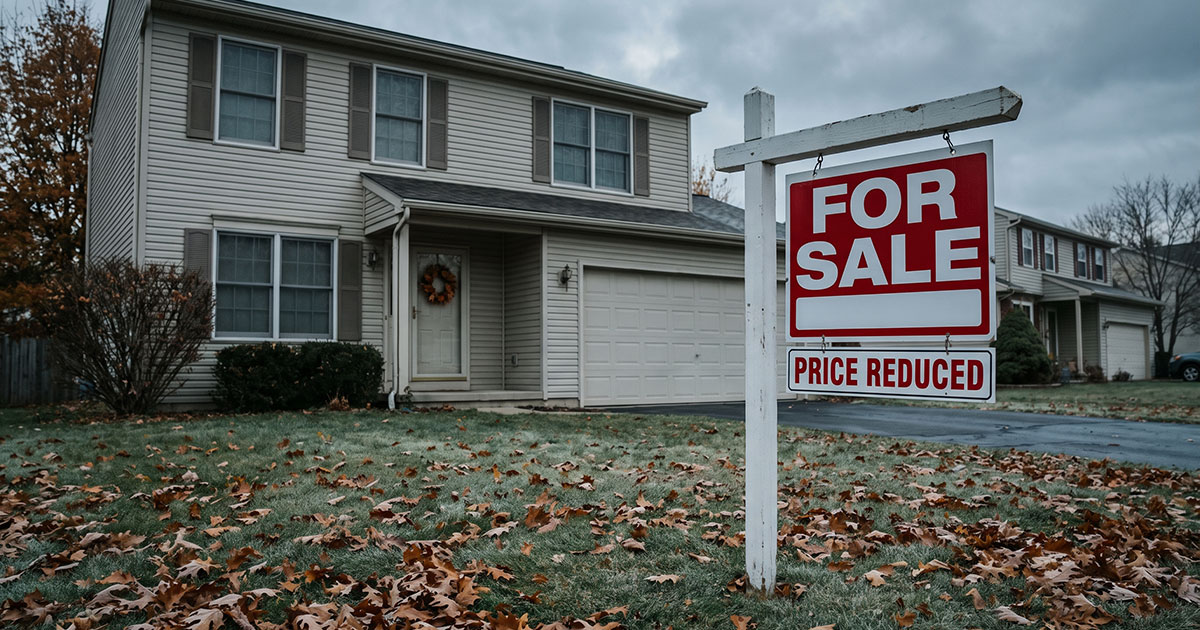
As the housing market shifts toward balance, sellers face a critical window before buyer activity cools for the winter. Overpricing by testing the market, relying on outdated spring sales data, or ignoring digital pricing brackets can stall your listing. Pricing right from day one ensures maximum buyer interest, prevents severe price cuts, and protects your equity.
The Shifting Autumn Landscape
The American residential real estate landscape is experiencing a pronounced shift toward equilibrium as inventory levels expand and mortgage rates hover near seven percent. Buyers are no longer willing to overlook deferred maintenance or bid frantically over asking prices, as elevated financing costs place rigid constraints on purchasing power. Days on market are climbing across metropolitan areas, signaling that homes without immediate competitive appeal are quickly passed over in favor of better-valued alternatives. When a property lingers without an accepted contract past the initial month, potential buyers begin assuming that either undisclosed physical defects exist or that the owner is unwilling to cooperate. As temperatures drop and seasonal distractions take hold, showing traffic slows considerably across virtually every price category. An unsold listing entering late autumn faces a strong likelihood of sitting completely untouched until the spring market reawakens. Successfully navigating this transitioning environment requires sellers to acknowledge that pricing is no longer an aspirational guessing game, but rather an exact strategy governed by real-time inventory and qualified demand.
The Negotiation Room Fallacy
The most frequent blunder homeowners commit in a moderating market is inflating their initial asking price under the assumption that it leaves generous room to negotiate downward. While that tactic occasionally proved effective during the unconstrained frenzy of previous cycles, today’s calculated buyers simply filter out listings that appear noticeably detached from prevailing fair market value. With monthly mortgage payments hovering near historic peaks, consumers examine price-per-square-foot metrics and nearby comparative options with intense scrutiny before ever scheduling an in-person showing. When a house is introduced at an unrealistic valuation, buyers do not respond with lower exploratory offers; they completely ignore the listing and direct their attention toward accurately priced competing homes. After weeks of empty open houses and zero private tour requests, sellers are forced into reactive price reductions that publicly broadcast vulnerability to opportunistic bidders. The first fourteen days of market exposure represent your single greatest point of selling leverage, and squandering that golden window on speculative overpricing invariably condemns a property to months of stagnation.
The Danger of Stale Comps
Another costly mistake involves establishing an asking price based on comparable neighborhood transactions recorded during the peak spring and early summer buying season. Real estate operates in immediate micro-cycles, meaning a sale closed five or six months ago belongs to an entirely different financing climate with tighter inventory and different consumer psychology. Lenders, independent appraisers, and buyer representatives evaluate current market conditions by analyzing pending contracts and recent sales finalized within the previous thirty to forty-five days. Ascribing exaggerated financial value to personal cosmetic upgrades or expecting to match an all-time record set when mortgage rates were temporarily lower disrupts your entire listing strategy. Professional appraisers adhere strictly to rigorous lending guidelines that will not substantiate an inflated contract price simply because an identical model home commanded a premium months earlier. If an appraisal deficit occurs during escrow, the transaction often collapses entirely, throwing the home back onto the active market right as buyer activity reaches its annual winter low.
Overlooking Digital Search Brackets
Today’s buyers do not browse properties through printed catalogues; they discover listings through sophisticated online aggregators governed by rigid algorithmic filters and round-number pricing tiers. Real estate portal databases typically segment properties in strict increments, usually structured around twenty-five-thousand or fifty-thousand-dollar parameters, which means non-traditional numbers create self-imposed visibility barriers. For instance, pricing a home at five hundred and ten thousand dollars instantly disqualifies it from appearing in search results for pre-approved buyers who set their maximum budget limit at five hundred thousand dollars. Instead of capturing two separate audience segments, an awkwardly positioned listing is pushed up against larger, newer, or more extensively updated residences situated in the higher pricing tier. To maximize visibility across Multiple Listing Services, syndication platforms, and automated buyer alert notifications, an asking price must respect these structural search brackets. Ignoring digital consumer search behavior limits showing volume from the very first day, preventing the critical early momentum required to secure a quick and lucrative offer.
Capturing Equity Through Precision
Navigating a balanced real estate environment ultimately requires shedding past seller-market habits and embracing proactive, data-informed pricing discipline from the moment the sign hits the yard. Hoping that an outlier buyer will emerge late in the year to pay top dollar almost always leads to costly carrying costs, accumulated property taxes, and steep sequential discounts that erode home equity. An attractively priced listing consistently commands high buyer engagement, inspires urgency, and regularly produces clean offers that minimize post-inspection haggling and appraisal disputes. By establishing a fair market value on launch day, sellers position their residence as the clear standout choice among nearby competing options instead of becoming the stale listing that inadvertently sells other houses. Decisive, accurate pricing protects your hard-earned equity, keeps you ahead of seasonal inventory slowdowns, and guarantees a successful transaction long before the winter freeze settles across the housing market.

Michelle Kendrick
TBG Real Estate
8400 N. University Drive, Suite 312 Tamarac, FL 33321
Email: michelle@tbgreteam.com
Phone: (954) 444-9950
COMMITTED to you!!! Let’s talk Real Estate – Whether you are buying, selling, renting or investing, The Beckford Group Team of real estate professionals can assist. Real talk for all your real estate needs starts with our managing Broker and Vice-President, Michelle Kendrick. If you are a first time home buyer, we have the experience to take you from dreaming about owning your own home to closing on the house of your dreams. Take the first step and call now; any time of the day is the right time! Call 1-954-444-9950